Loose facial skin and reduced definition around the jawline are common reasons people investigate non-surgical aesthetic procedures. HIFU, or high-intensity focused ultrasound, is one of the technologies used for selected skin-tightening and facial rejuvenation goals without surgical incisions.
Understanding what HIFU can and cannot do is important before deciding whether it suits your concern.
How HIFU Works
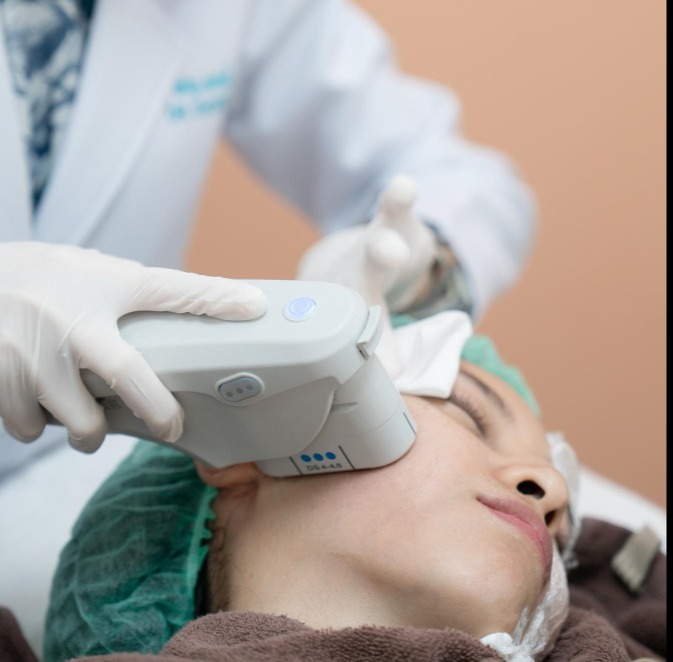
HIFU delivers focused ultrasound energy to targeted tissue depths beneath the skin surface. The resulting controlled thermal effect is intended to stimulate tissue contraction and remodelling processes.
Unlike a surgical facelift, the treatment does not involve surgically removing excess skin.
This distinction is important because non-surgical tightening procedures and facial plastic surgery address different degrees of ageing and laxity.
What Concerns May Be Considered
Depending on individual suitability, HIFU may be discussed for concerns involving:
- Mild to moderate facial laxity
- Reduced jawline definition
- Lower-face ageing
- Selected neck concerns
- General desire for non-surgical tightening
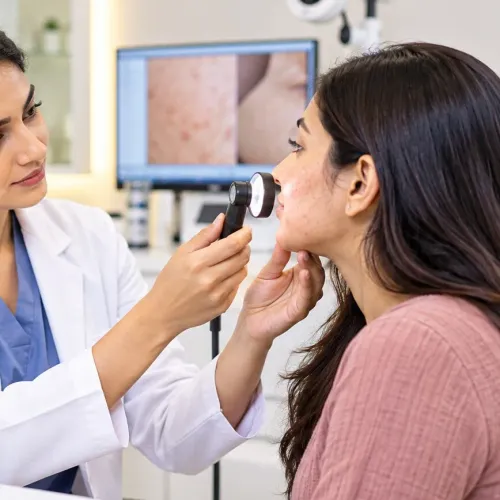
A clinical assessment is necessary because not every visible facial change is caused by skin laxity.
For example, facial volume loss, changes in fat distribution and skin texture can all influence the appearance of ageing. Tightening alone may therefore not address every concern.
Results Are Not Usually Instant Facelift Results
Patients sometimes expect an immediate dramatic transformation after seeing highly edited online photographs.
Some initial changes may be noticed, but tissue remodelling takes time. The degree and timing of improvement vary between individuals.
HIFU should therefore be approached as a treatment with a specific biological mechanism rather than an instant event makeover.
Who May Need a Different Approach?
People with substantial loose skin may not obtain the degree of correction they expect from a non-surgical treatment. In such cases, discussing surgical and non-surgical options can provide a more realistic understanding of what each can achieve.
Similarly, patients primarily concerned about pigmentation, acne scars or enlarged pores may require treatments directed at those problems rather than HIFU.
Questions to Ask Before the Procedure
Before treatment, discuss:
- What specific concern is HIFU being recommended for?
- Is my degree of skin laxity appropriate for this approach?
- What level of improvement is realistic?
- When are results usually evaluated?
- What temporary effects may occur afterward?
- Are there reasons the treatment may not be suitable for me?
- Would another procedure better match my concern?
These questions help separate treatment suitability from treatment popularity.
Why Facial Assessment Matters
Facial rejuvenation is rarely about one isolated feature. Skin quality, facial proportions, tissue laxity and volume all contribute to appearance.
At Finesse Aesthetic in Chennai, aesthetic procedures can be considered after evaluating the patient's facial concerns and treatment goals.
For patients exploring HIFU in Chennai or elsewhere in Tamil Nadu, the central consideration should be suitability. A non-surgical procedure can be valuable when its capabilities match the degree and type of concern. It should not be presented as a universal replacement for surgery or as a treatment for every sign of facial ageing.
Keywords