People researching acne scars, pores, texture and skin rejuvenation frequently encounter both traditional microneedling and MNRF Morpheus8. Because both treatments involve microneedles, it is easy to assume they perform the same function. The key difference is that microneedling creates controlled micro-injuries, while microneedling radiofrequency combines needle penetration with delivery of radiofrequency energy.
Knowing this distinction can make a treatment consultation more meaningful.
What Traditional Microneedling Does
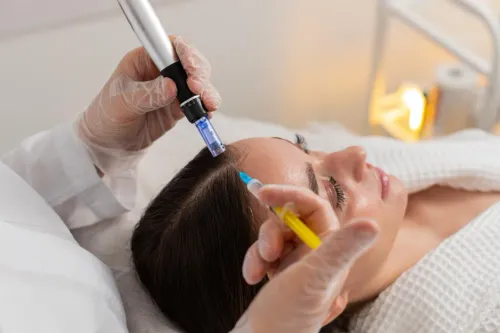
Microneedling uses fine sterile needles to create controlled microchannels in the skin. The procedure is used in selected skin-rejuvenation and scar-management plans.
Depending on assessment, it may be considered for concerns such as uneven texture, selected acne scars and general skin-quality improvement.
Needle depth and technique should be chosen according to the area and treatment objective rather than applying the same settings to everyone.
How MNRF Is Different
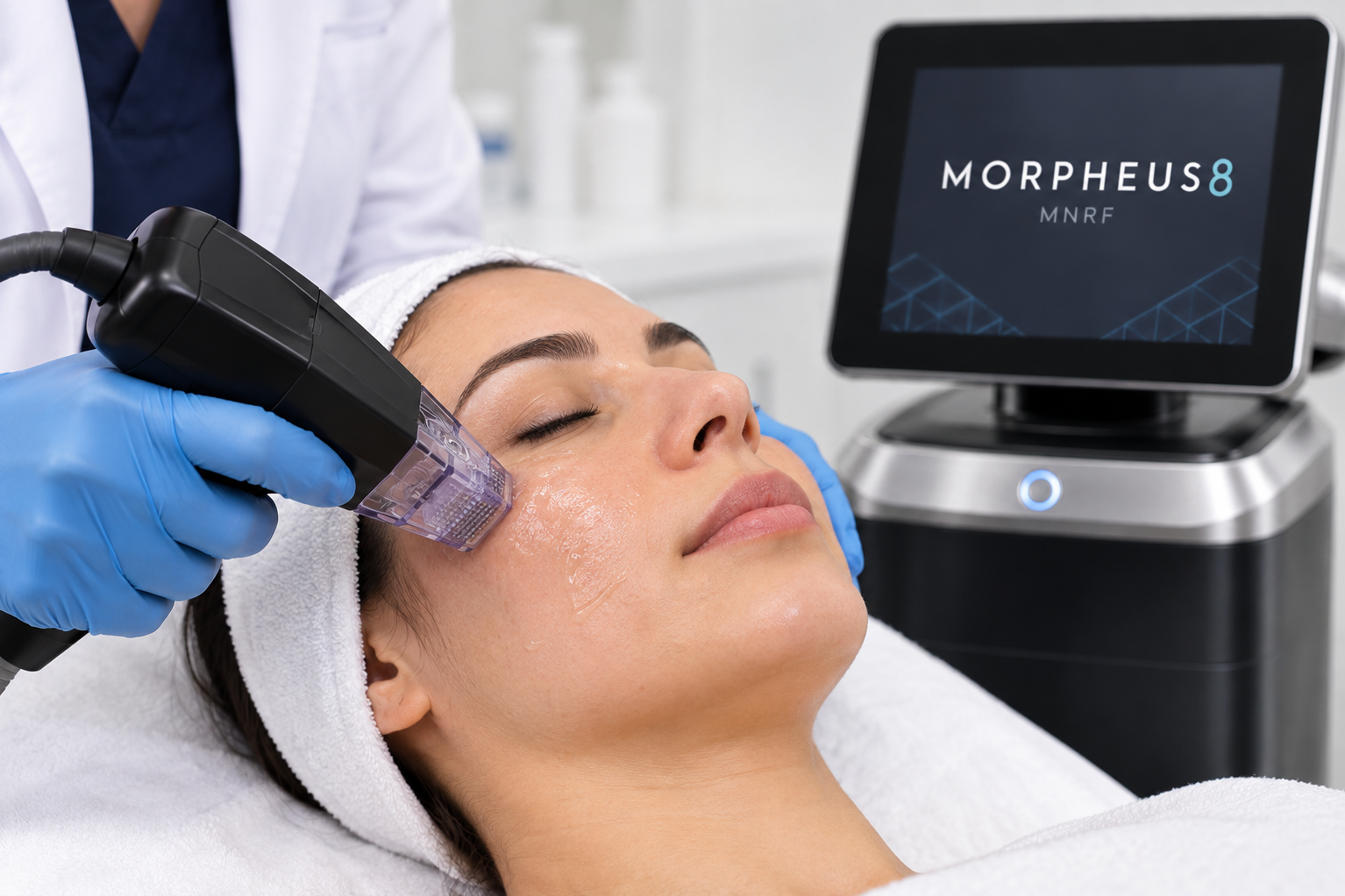
MNRF stands for microneedling radiofrequency. Devices in this category use needles to deliver controlled radiofrequency energy into targeted tissue.
This means treatment involves both mechanical needling and an energy-based component.
Morpheus8 is one device associated with fractional radiofrequency microneedling. Patients may hear MNRF and Morpheus8 used together, but it is useful to understand that MNRF describes the treatment category while Morpheus8 refers to a specific technology within that category.
Which One Is Better?
There is no useful universal answer.
The better choice depends on the condition being treated, skin characteristics, depth of concern, previous procedures and expected outcome.
For acne scars, even the scar type matters. Deep narrow scars may need a different strategy from broad rolling scars. Some patients have several scar patterns at the same time, making combination treatment more appropriate than relying on one device.
Compare Recovery as Well as Benefits
When evaluating treatments, do not consider only potential improvement. Ask about the post-procedure period.
Depending on the treatment and settings, temporary effects can include redness, swelling, sensitivity or small treatment marks. Your clinician should explain expected recovery and post-treatment skincare.
This can be particularly important for working professionals in Chennai who need to plan procedures around meetings, events or travel.
Avoid Choosing by Device Name Alone
A recognisable device name does not replace clinical assessment.
Results depend on factors including:
- Correct diagnosis
- Appropriate patient selection
- Treatment settings
- Technique
- Number and spacing of sessions
- Aftercare
- Individual healing response
A sophisticated device used for the wrong indication is not necessarily more useful than a simpler procedure correctly selected for the problem.
Make the Consultation Concern-Led
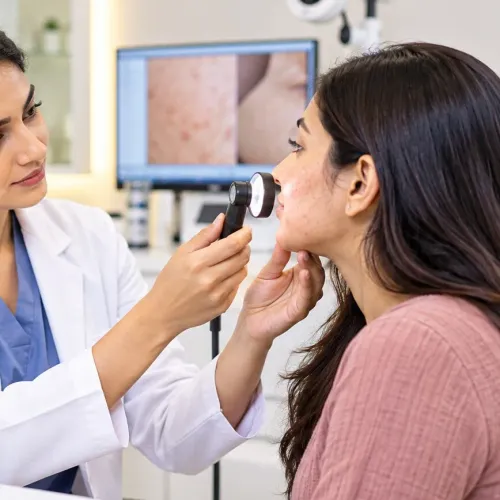
Instead of entering a clinic asking only for a particular machine, explain what bothers you most.
Finesse Aesthetic offers dermatology and aesthetic treatment options in Chennai, including approaches for skin texture and rejuvenation concerns. The treatment plan should still be based on examination rather than automatically selecting the most advanced-sounding technology.
When comparing MNRF Morpheus8 with conventional microneedling, focus on the intended treatment depth, role of radiofrequency energy, your skin concern, expected recovery and realistic outcome. The goal is not to choose the procedure with the most technology; it is to choose the approach that appropriately addresses your skin.
Keywords