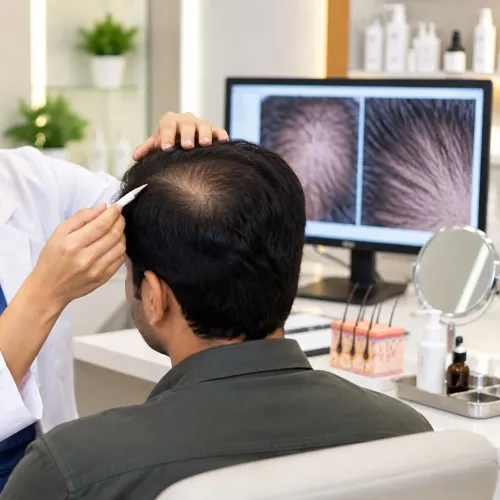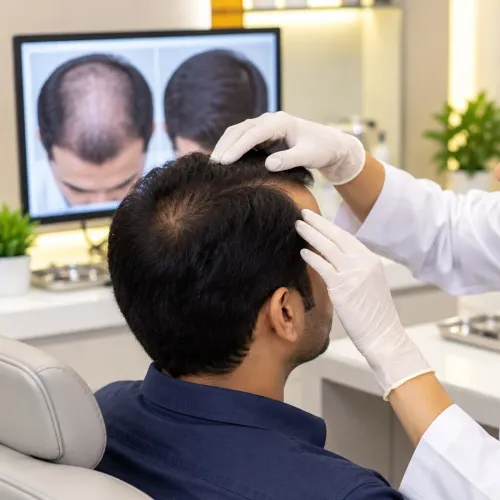

Hair loss is often associated with men, but many women also experience noticeable thinning, widening of the hair part, or reduced hair volume. Unlike temporary shedding caused by stress or illness, persistent hair loss may require professional treatment. In some cases, a hair transplant can offer a long-term solution.
If you're exploring Hair Transplant for Women in Chennai, it's important to understand who can benefit from the procedure, how it works, and what results are realistic.
Why Do Women Experience Hair Loss?
Female hair loss can develop gradually and may have several contributing factors.
Some of the most common causes include:
- Hormonal changes
- Pregnancy and childbirth
- Menopause
- Genetic hair thinning
- Nutritional deficiencies
- Stress
- Certain medical conditions
- Frequent chemical treatments or heat styling
Before recommending a hair transplant, a dermatologist will first determine the underlying cause of the hair loss.
Is Every Woman a Suitable Candidate?
Not all women experiencing hair loss require or qualify for a hair transplant.
The procedure is generally more suitable for women who have:
- Stable areas of hair thinning
- Good donor hair at the back or sides of the scalp
- Hair loss due to genetics or scarring
- Realistic expectations about the outcome
Women with temporary or diffuse hair loss may benefit more from medical treatments before considering surgery.
How Does a Hair Transplant Work?
A hair transplant involves relocating healthy hair follicles from an area with dense growth to areas where hair has become thin.
The transplanted follicles continue growing naturally because they retain the characteristics of the donor area.
The objective is to improve hair density while maintaining a natural appearance.
What Happens Before the Procedure?
The consultation is one of the most important parts of the treatment journey.
During this visit, the dermatologist evaluates:
- Hair density
- Pattern of thinning
- Scalp health
- Medical history
- Lifestyle factors
- Previous hair treatments
Photographs and scalp analysis may also be performed to create a customised treatment plan.
Recovery After a Hair Transplant
Recovery is generally manageable with proper aftercare.
Most patients experience:
- Mild swelling
- Temporary redness
- Small scabs around transplanted follicles
- Minor tenderness for a few days
These effects usually improve as the scalp heals.
Hair growth takes time, and newly transplanted hairs often shed before permanent growth begins. This is a normal part of the healing process.
When Will Results Become Visible?
Hair restoration is gradual rather than immediate.
Most patients notice:
- Initial healing within a few weeks
- Early hair growth after several months
- Continued improvement over time
- Better hair density as growth progresses
Patience is important, as the final outcome develops naturally.
Caring for Your Hair After Treatment
Maintaining healthy hair remains essential even after a transplant.
Helpful habits include:
- Following the prescribed hair care routine
- Eating a protein-rich, balanced diet
- Avoiding excessive heat styling
- Protecting the scalp from prolonged sun exposure
- Attending scheduled follow-up appointments
- Managing stress whenever possible
These habits support both transplanted and existing hair.
Choosing the Right Clinic
Hair transplantation requires careful planning and precision.
When selecting a provider, consider:
- Experience in female hair restoration
- Personalised treatment planning
- Modern techniques
- High standards of hygiene
- Clear explanation of expected results
- Comprehensive follow-up care
The best outcomes come from combining medical expertise with realistic treatment planning.
For women in Chennai looking for long-term hair restoration solutions, Finesse Aesthetic offers detailed hair assessments to determine whether a transplant is the most suitable option. Every treatment plan is designed according to the individual's hair loss pattern, scalp condition, and long-term goals, helping patients achieve natural-looking improvements in hair density and confidence.
Keywords